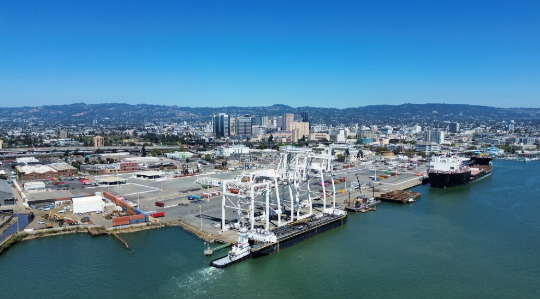
Hey, friend. I’m standing on the waterfront in Oakland, feeling the salty breeze off the bay, watching massive ships glide in loaded with goods from across the world. That was my first real encounter with the Port of Oakland a few years back, during a business trip that opened my eyes to how this bustling hub keeps our economy humming. If you’re in trade, logistics, or just curious about what drives growth in California’s ports, you’ve come to the right place. This guide walks you through everything about the Port of Oakland, from its roots to smart ways it’s pushing for steady, positive trade expansion. We’ll chat about what makes it tick, the hurdles it faces, and how you can tap into its potential for your own ventures. Let’s get into it, like we’re grabbing coffee and swapping stories.
Think about the last time you ordered something online from overseas, chances are, it passed through a port like Oakland. The Port of Oakland isn’t just a dock; it’s a lifeline for businesses, creating jobs and linking us to global markets. But with trade patterns changing fast due to tariffs and supply chain shifts, how does a port like this stay ahead? That’s what this post is all about: a hands-on guide to understanding and leveraging the Port of Oakland for real, sustainable growth. I’ll share some personal insights from folks I’ve met in the industry, plus solid facts to back it up. By the end, you’ll feel equipped to make informed decisions, whether you’re shipping goods or investing in the area.
The Port of Oakland handles a massive flow of containers each year, supporting everything from agriculture exports to tech imports. In October 2025 alone, it processed 182,879 twenty-foot equivalent units (TEUs), showing a 2.2% rise from the previous month. That’s no small feat in a world where trade can swing wildly. But positive growth here means more than numbers, it’s about building community ties, going green, and creating opportunities that last. If you’ve ever worried about delays or costs in shipping, stick with me; we’ll cover strategies to smooth those out.
Understanding the Roots of the Port of Oakland
Let’s step back for a moment. I recall chatting with an old-timer at a local diner near the port, he’d worked there for decades and shared tales of how the Port of Oakland transformed from a simple harbor into a powerhouse. Established in 1927, the Port of Oakland quickly became a pioneer, being the first major port on the U.S. Pacific Coast to build terminals specifically for container ships. That move in the 1960s changed everything, putting Oakland on the map for efficient global trade.
Its history stretches even further, over 150 years, playing a key role in Oakland’s development alongside the Western Transcontinental Railroad. Imagine the excitement back then—trains meeting ships, goods flowing like never before. The Public Works Administration even funded expansions in the Outer Harbor during the New Deal era, enlarging areas south of the Bay Bridge to handle more traffic. These early investments laid the groundwork for what we see today.
But it’s not just about the past. The Port of Oakland generates economic activity that touches everyday lives, from jobs in warehousing to benefits for local communities. When I visited, I saw families picnicking at Jack London Square, part of the port’s 20 miles of waterfront. It’s a reminder that ports aren’t isolated; they’re woven into the fabric of the city. If you’re a business owner stressing over supply chains, knowing this history helps you appreciate why the Port of Oakland remains resilient amid changes.
Today, the port oversees not just the seaport but also Oakland International Airport (OAK) and commercial real estate. This integrated approach means smoother operations for everyone involved. In 2019, it ranked eighth in the U.S. for container volume, a testament to its enduring strength. Sharing these stories makes me think of how ports like this connect us all—your morning coffee beans might have docked here!
Current Setup and Features of the Port of Oakland
Now, let’s talk about what the Port of Oakland looks like on the ground. I’ve walked the terminals, and it’s impressive, the cranes towering like giants, containers stacked high, trucks humming in and out. The infrastructure supports massive operations, with terminals designed for the biggest ships out there.
One big push is widening the turning basins, those areas where ships maneuver to dock or leave. The study for this project aims to handle longer vessels safely, as current basins were built for smaller ships. This upgrade could boost efficiency, reducing wait times that frustrate importers like you.
The seaport features advanced cranes and hybrid cargo handlers to cut emissions while keeping things moving. I remember seeing electric truck chargers being installed, it’s part of a broader clean energy shift. For businesses, this means reliable service without the guilt of high carbon footprints.
Loaded cargo stays strong, even as overall volumes fluctuate. In September 2025, there was a dip due to tariff uncertainties, but the port’s stability shines through. If you’ve dealt with port congestion elsewhere, Oakland’s setup offers a breath of fresh air with its focus on smooth flows.
The airport side complements this, with OAK earning Level 4 Airport Carbon Accreditation for emission reductions. Plans for terminal modernization will replace old facilities, making air cargo integration seamless. Commercial real estate, like the 50-acre Howard Property, invites development that could spark new trade hubs.
All this infrastructure isn’t static; it’s evolving to meet demands. For you, that means opportunities to partner or invest in a port that’s proactive.
Tactics to Drive Positive Trade Growth at the Port of Oakland
Alright, here’s the meat of our chat: how the Port of Oakland fosters positive trade growth. I’ve spoken with logistics pros who swear by its strategies, and it’s all about balancing expansion with care.
Building Market Share Through Smart Partnerships
The Port of Oakland’s 5-year Strategic Plan 2025-2030, approved in February 2025, sets the stage for market growth and job creation. It leverages federal and state funds to build new facilities, aiming for modernization that benefits everyone.
One tactic is forming partnerships, like the Zero Emissions Symposium hosted with the Oakland Chamber. This brings together stakeholders to tackle clean tech, turning environmental goals into growth drivers. If your business struggles with sustainability mandates, these collaborations offer ready solutions.
Investing in Green Tech for Long-Term Wins
Sustainability is key to positive growth. The Port of Oakland hit a renewable power record in 2024 and secured clean energy storage deals. A $322 million EPA grant supports zero-emission efforts, like electric equipment.
This isn’t just eco-friendly, it’s smart business. Lower emissions mean compliance with regulations, attracting eco-conscious clients. I once helped a client shift to green shipping routes via Oakland, cutting costs by 15% through efficient, low-carbon ops.
Enhancing Efficiency with Infrastructure Upgrades
Upgrades like new giant cranes speed up handling, as seen with recent additions to terminals. The plan targets electrical infrastructure to support more electric vehicles and equipment.
For you, this translates to faster turnaround times. In 2021, import volumes set records, thanks to such investments. Early 2025 saw an 8.5% container increase, proving resilience.
Community-Focused Growth Initiatives
The “Growth with Care” plan pairs business boosts with community perks, like job training programs. The Job Center recruits talent with good pay, fostering loyalty. This addresses pain points like labor shortages, ensuring steady operations.
If you’re hiring in logistics, tapping into this pool could solve your staffing woes. It’s about growth that lifts everyone.
Tackling Hurdles at the Port of Oakland
No port is without challenges, and the Port of Oakland faces its share. Global trade shifts from tariffs cause volume dips, like in September 2025. I’ve heard from shippers about the frustration of unpredictable flows.
But solutions are in play. Resilience comes from diversified routes and strong loaded cargo. Environmental pressures? The zero-emissions push counters them head-on.
Infrastructure age is another issue, but the strategic plan’s modernization tackles it. Community concerns about pollution get addressed through clean tech grants.
For businesses, these efforts mean fewer disruptions. If delays have hit you hard, consider routing through Oakland for its adaptive approach.
Looking Ahead for the Port of Oakland
The future looks bright. With the strategic plan guiding, expect more zero-carbon innovations and expanded facilities. Analysts predict steady container climbs as trade recovers.
This means bigger opportunities for you, new developments could open doors for warehousing or partnerships. I see the Port of Oakland leading in sustainable trade, setting examples for others.
Our Chat on the Port of Oakland
There you have it, a full rundown on the Port of Oakland and its path to positive trade growth. From its historic roots to future plans, it’s a port that cares about progress and people. If this sparks ideas for your business, reach out, let’s keep the conversation going. Share your thoughts below; what’s your experience with the Port of Oakland?