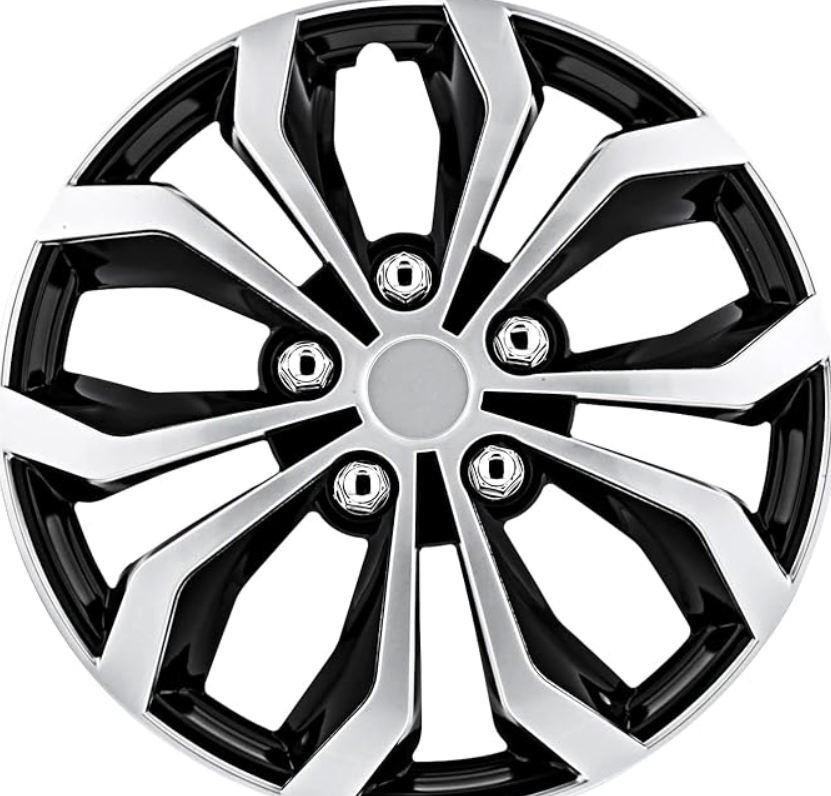
Every year, millions of American drivers experience the same frustrating moment: glancing at their vehicle and noticing a missing hubcap. Whether it popped off during a pothole encounter, disappeared after a sharp turn, or simply vanished overnight in a parking lot, the absence is immediately noticeable. Most vehicle owners have no idea where to begin when it comes to replacement, often unsure whether they need a hubcap, a wheel cover, or something else entirely. This comprehensive guide walks you through everything you need to know about hubcap replacement in 2026, from understanding what you actually need to installing it correctly.
What Is a Hubcap?
A hubcap is a protective cover that attaches to the center portion of your vehicle’s wheel, specifically designed to cover the wheel hub, lug nuts, and central mounting hardware. Unlike a full wheel cover that spans the entire wheel surface, a traditional hubcap is center-mounted and typically ranges from 6 to 10 inches in diameter, depending on your vehicle’s wheel design.
The primary functions of a hubcap extend beyond simple aesthetics. These components serve as a barrier against road salt, moisture, dirt, and debris that can cause corrosion on your wheel hub and lug nuts. In colder climates across the United States, this protection becomes especially valuable during winter months when road treatments accelerate metal deterioration. Additionally, hubcaps contribute to your vehicle’s aerodynamic profile, helping reduce minor drag and maintaining the clean, finished appearance your manufacturer intended.
Modern hubcaps are engineered with specific retention systems that secure them to the wheel, and understanding your vehicle’s particular system is essential for successful replacement.
OEM vs Aftermarket Hubcaps
When replacing a missing hubcap, you’ll encounter two primary options: Original Equipment Manufacturer products and aftermarket alternatives. Each category offers distinct advantages depending on your priorities and situation.
OEM hubcaps are manufactured by or for your vehicle’s original maker, ensuring exact specifications, finish quality, and fitment. These components match your remaining hubcaps perfectly in color, texture, and design. For insurance company claim adjusters and body shops working on collision repairs or comprehensive claims, OEM parts often represent the standard for proper restoration. The trade-off comes in pricing, as OEM options typically cost 40 to 70 percent more than aftermarket equivalents.
Aftermarket hubcaps are produced by third-party manufacturers who create compatible replacements for popular vehicle models. Quality varies significantly across aftermarket suppliers, with premium aftermarket options offering near-OEM appearance and durability at reduced cost. For vehicle owners paying out of pocket, aftermarket solutions provide practical economy without sacrificing basic function. Automotive parts stores and car dealers frequently stock aftermarket inventory for common makes and models due to faster availability and better profit margins.
The decision between OEM and aftermarket often hinges on whether insurance coverage applies, the age of your vehicle, and whether you’re replacing one hubcap or a complete set. For vehicles under warranty or lease agreements, OEM replacement may be contractually required.
How to Read Your Hubcap Size
Determining the correct hubcap size is simpler than most people realize, and accuracy here prevents the frustration of ordering parts that don’t fit. Your wheel diameter directly determines hubcap compatibility, and this measurement is clearly marked in two accessible locations.
The most reliable method involves checking your tire sidewall. Look for a series of numbers and letters molded into the rubber, typically reading something like P215/65R16. The final number in this sequence indicates your wheel diameter in inches. In this example, 16 means you have 16-inch wheels and need 16-inch hubcaps. This measurement remains consistent across all four wheels on standard passenger vehicles.
Alternatively, examine the wheel itself. Most wheels have the diameter stamped on the back side of the spokes or along the inner barrel. If you’ve already removed the damaged or missing hubcap, this information should be visible without removing the wheel from the vehicle.
For automobile mechanics and DIY enthusiasts, keeping a quick reference chart of common hubcap sizes by vehicle make and model streamlines the identification process. Ford F-150 trucks from 2015 to 2021 predominantly use 17-inch configurations, while Toyota Camry sedans from the same period typically feature 16-inch or 17-inch options depending on trim level.
Types of Hubcap Retention Systems
Understanding how your hubcap attaches to the wheel is critical for both removal and installation. Three primary retention systems dominate the market, each with specific installation requirements.
Wire ring retention systems use a circular metal clip that fits into a groove on the wheel’s outer edge. The hubcap itself has a corresponding channel that accepts this wire ring, creating a secure friction fit. This design is common on older domestic vehicles and many commercial fleet applications. Installation requires aligning the hubcap carefully and applying firm, even pressure around the perimeter until the ring seats properly.
Snap-on retention systems employ plastic or metal clips integrated into the back of the hubcap that engage with the wheel’s lug nut holes or dedicated retention points. This design has become the industry standard for most passenger cars and light trucks manufactured after 2010. The beauty of snap-on systems lies in their tool-free installation, though proper alignment is essential to avoid breaking the retention clips.
Bolt-on retention systems use the vehicle’s existing lug nuts to secure the hubcap directly to the wheel. A bolt-on hubcap features holes that align with your lug nut pattern, and small decorative caps often cover the exposed hardware. This method provides the most secure attachment and is favored for vehicles that see rough road conditions or high-speed driving. Installation requires removing each lug nut, positioning the hubcap, and retightening the nuts to manufacturer specifications.
Hubcap clips and retention hardware can wear out or break over time. When ordering a replacement hubcap, verify whether retention components are included or must be purchased separately. Many aftermarket options include new clips, while OEM parts sometimes require separate hardware orders.
Step-by-Step: How to Replace a Hubcap
Replacing a hubcap is one of the most straightforward automotive maintenance tasks, requiring minimal tools and no specialized knowledge. The exact process varies slightly based on your retention system.
For snap-on hubcaps, begin by cleaning the wheel surface where the hubcap will make contact, removing any accumulated brake dust, dirt, or road grime. Position the hubcap against the wheel, aligning any valve stem cutouts with your tire’s valve stem. Starting at the valve stem location, press firmly on the hubcap edge until you hear or feel the first clip engage. Work your way around the hubcap perimeter, applying steady pressure at each clip location. You should hear distinct clicking sounds as each retention point locks into place. Once all clips have engaged, give the hubcap a firm tug at several points around the edge to confirm secure attachment.
For wire ring systems, insert the wire ring into the hubcap’s retention channel before installation. Hold the hubcap against the wheel and align it properly, then use the heel of your hand to strike the hubcap firmly around its perimeter. The wire ring will compress and then expand into the wheel’s groove. Work methodically around the entire circumference to ensure even seating.
For bolt-on hubcaps, you’ll need a lug wrench or impact wrench. Loosen each lug nut approximately two full turns without removing them completely. Slide the hubcap over the lug studs, ensuring all holes align properly. Hand-tighten each lug nut through the hubcap, then use your wrench to tighten in a star pattern to ensure even pressure distribution. Torque specifications vary by vehicle, but most passenger cars require 80 to 100 foot-pounds. Install any decorative lug nut covers if included.
After installation, take a short test drive and recheck the hubcap to ensure it hasn’t loosened. This verification step is especially important for wire ring systems, which occasionally require adjustment after initial installation.
Top Makes and Models That Frequently Need Hubcap Replacement
Certain vehicles experience higher rates of hubcap loss due to wheel design, retention system characteristics, or sheer popularity on American roads. Understanding these patterns helps automotive parts stores maintain appropriate inventory and assists vehicle owners in finding quick replacements.
Ford hubcaps, particularly for the F-150 pickup truck, represent one of the highest-volume replacement categories in the United States. The F-150’s status as America’s best-selling vehicle for over four decades means millions of these trucks are on the road daily. Model years 2015 through 2020 used snap-on hubcaps that are prone to detachment when encountering potholes or curbs at speed. The 17-inch silver finish hubcap for these model years is among the most frequently ordered replacement parts.
Toyota hubcaps for the Camry sedan also see consistent replacement demand. The 2012 to 2017 Camry generations used distinctive multi-spoke hubcap designs that, while attractive, featured retention clips that could become brittle in extreme temperature fluctuations common across different U.S. climate zones. Both 16-inch and 17-inch variants are regularly needed.
Honda hubcaps for the Civic have evolved significantly across generations, but the 2006 to 2015 models used snap-on designs that frequently separate during spirited driving or when wheels contact curbs during parking. The 15-inch and 16-inch Honda Civic hubcaps are staple inventory items for parts retailers.
Chevy hubcaps for the Malibu mid-size sedan, particularly 2013 to 2019 model years, use retention systems that perform well when new but can lose holding strength as the plastic clips age and lose flexibility. The 17-inch Malibu hubcap is a common replacement needed for body shops handling minor collision repairs.
The Hyundai Elantra compact sedan rounds out the top replacement category, with 2011 to 2016 models using hubcaps that are vulnerable to winter road conditions. Salt exposure and freeze-thaw cycles can compromise the retention clip integrity on these vehicles.