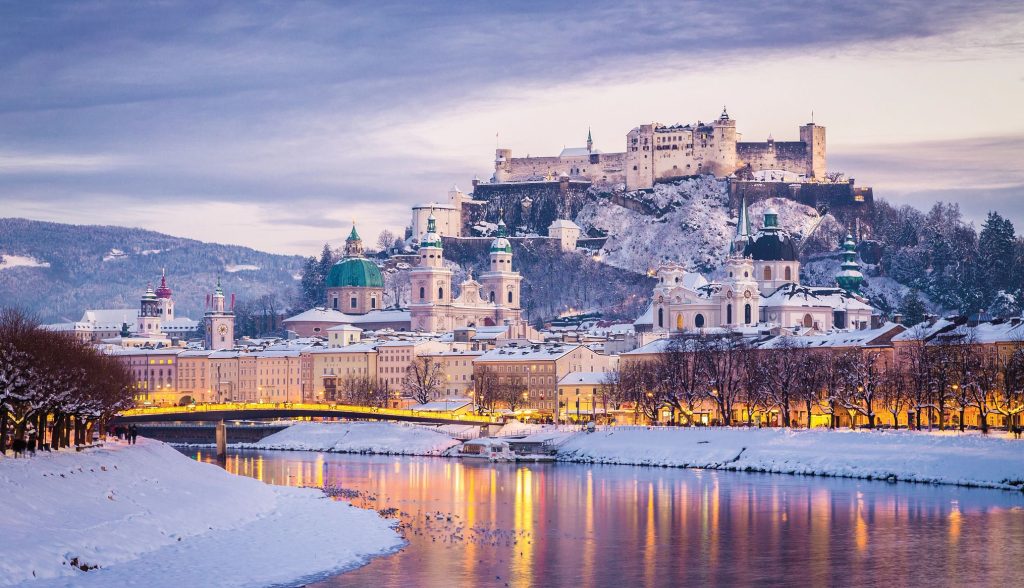
Imagine wandering through the charming streets of Paris or the ancient ruins of Athens without jostling through crowds. Picture sipping coffee at a cozy Venetian café, chatting with locals who have time to share stories. Off-season Europe trips, typically from November to March, offer this and more—lower costs, authentic experiences, and a chance to see Europe’s iconic destinations in a new light.
Traveling during the off-season isn’t just about avoiding peak summer crowds; it’s about embracing a slower, more meaningful way to explore.
Understanding Off-Season Travel in Europe
What Are Off-Season and Shoulder Seasons?
Off-season travel in Europe generally spans late autumn to early spring (November to March), when tourist numbers drop significantly. Shoulder seasons—late spring (April to mid-June) and early autumn (September to October)—offer a middle ground with milder weather and fewer crowds than peak summer months.
The off-season varies by region. Southern Europe, like Greece or Spain, enjoys mild winters, while Northern Europe, such as Scandinavia, embraces crisp, snowy landscapes. Understanding these distinctions helps travelers choose destinations that align with their preferences.
Why Off-Season Travel is Gaining Popularity
Today’s travelers crave authenticity over Instagram-perfect moments. Off-season trips allow you to experience Europe as locals do, free from the commercialized bustle of summer. For example, visiting a Tuscan vineyard in winter might mean joining a small, family-run wine tasting rather than a crowded tour bus.
Additionally, mindful travel is on the rise. Off-season visits reduce strain on popular destinations, supporting environmental sustainability and local economies during quieter months. According to a 2024 European Travel Commission report, 68% of travelers now prioritize destinations with fewer crowds to minimize their environmental impact.
Benefits of Off-Season Europe Trips
Cost Savings
One of the biggest draws of off-season travel is the significant savings. Flights to Europe can be 20-40% cheaper from November to March, with round-trip tickets from the U.S. to major cities like Paris or Rome often dropping below $500, compared to $800-$1,200 in summer (based on 2025 Skyscanner data). Accommodations follow suit—hotels in cities like Lisbon or Prague offer discounts of up to 50%, and vacation rentals on platforms like Airbnb feature lower rates and more availability.
These savings stretch your budget further. For instance, a week-long trip to Barcelona in February might cost $1,200 per person, including flights and lodging, compared to $2,000 in July. This allows you to splurge on unique experiences, like a private cooking class in Florence or an extra night in a boutique hotel.
Fewer Crowds and Authentic Experiences
Off-season travel transforms iconic destinations. In Venice, you can stroll the Rialto Bridge without elbowing through selfie sticks. In Paris, you might linger at a Montmartre café, chatting with a local artist over a café au lait. Fewer tourists mean deeper connections with local culture—whether it’s bargaining at a Lisbon flea market or joining a winter festival in Budapest.
Take my friend Sarah’s experience: she visited Rome in January 2024 and described walking through the Colosseum with only a handful of others, feeling like she had the ancient ruins to herself. This intimacy with destinations is a hallmark of off-season travel.
Comfortable Weather for Exploration
Contrary to popular belief, Europe’s off-season weather can be a delight. Southern destinations like Málaga or the French Riviera boast mild winters, with temperatures averaging 50-65°F (10-18°C), perfect for sightseeing without sweating. In Central and Northern Europe, crisp air and occasional snow create a magical backdrop for exploring castles in Germany’s Bavarian Alps or thermal baths in Budapest.
For active travelers, cooler temperatures make hiking or city walking more comfortable. Just check regional weather patterns—southern Greece might be sunny, while Norway’s fjords could be snowy but breathtaking.
Supporting Local Communities
Traveling off-season directly benefits local businesses. Restaurants, shops, and tour operators rely on visitors during quieter months to sustain their livelihoods. In smaller towns like Siena, Italy, or Český Krumlov, Czech Republic, your presence as a traveler fosters meaningful interactions. Locals have more time to share recommendations, from hidden trattorias to family-run museums, creating a richer experience.
Environmental Advantages
Overtourism strains Europe’s most popular destinations, from Venice’s canals to Barcelona’s Sagrada Família. Off-season travel reduces pressure on infrastructure, lowers resource consumption, and allows ecosystems to recover. For example, a 2023 study by the European Environment Agency noted that off-season tourism in Mediterranean coastal areas reduced water usage by 15% compared to peak season, easing stress on local resources.
Challenges and Considerations for Off-Season Trips
Weather Variability and Preparation
Europe’s winter weather varies widely. Southern cities like Seville enjoy sunny days, while alpine regions like Austria’s Tyrol may see heavy snow. Researching your destination’s climate is crucial. For instance, Amsterdam’s average February temperature is 38-45°F (3-7°C), with occasional rain, so waterproof gear is a must.
Limited Hours and Seasonal Closures
Some attractions, like coastal beaches in Greece or outdoor museums, may close or operate on reduced hours during winter. However, major cities like Paris, Berlin, or Madrid remain vibrant year-round. Check attraction websites for winter schedules and prioritize indoor activities, like museums or historic sites, which often stay open.
Travel Logistics
Off-season transportation schedules may be less frequent, especially for ferries to islands like Santorini or trains in rural areas. However, buses and trains are often less crowded, offering a more relaxed journey. Booking flexibility can lead to last-minute deals—platforms like Omio or Trainline often list discounted fares closer to travel dates.
Top Off-Season Destinations in Europe
Southern Europe Highlights
- Greece (Athens and Islands): Athens enjoys mild winters (50-60°F), perfect for exploring the Acropolis or National Archaeological Museum. Islands like Crete or Rhodes offer quiet beaches and affordable stays, with local tavernas serving fresh seafood.
- French Riviera (Nice, Côte d’Azur): With temperatures around 50-55°F, Nice blends glamour and relaxation. Stroll the Promenade des Anglais or visit nearby villages like Èze, all without summer crowds.
Central and Northern Europe
- Bavarian Alps, Germany: Snow-dusted castles like Neuschwanstein create a fairy-tale setting. Winter hiking or skiing in nearby Garmisch-Partenkirchen is a bonus.
- Budapest, Hungary: Soak in thermal baths like Széchenyi or explore festive Christmas markets. Winter temperatures (30-40°F) add charm to the city’s architecture.
- Lapland, Finland: Chase the Northern Lights or try dog sledding in Rovaniemi. Winter’s magic (15-25°F) makes Lapland a bucket-list destination.
Other Attractive Cities
- Málaga and Seville, Spain: Málaga’s mild winters (55-65°F) are ideal for exploring the Picasso Museum or nearby Alhambra. Seville’s historic charm shines without summer heat.
- Scandinavia: Cities like Stockholm or Oslo dazzle with winter light displays and cozy cafés, perfect for aurora-chasing or cultural immersion.
- Lesser-Known Gems: Try Ljubljana, Slovenia, for its quaint winter markets, or Tallinn, Estonia, for medieval charm under snow.
Practical Tips for Planning Off-Season Europe Trips
When to Book and How to Find Deals
Off-season travel requires less advance booking than summer. Flights booked 2-3 months out often yield the best deals, especially midweek (Tuesdays and Wednesdays). Use tools like Google Flights or Kayak to set price alerts. For accommodations, check Booking.com or Airbnb for flash sales, common in winter.
Packing Smart and Preparing for Conditions
Pack versatile clothing to handle Europe’s diverse climates. A waterproof backpack protects essentials during rain or snow. For colder destinations, invest in thermal socks and a compact umbrella. Always carry a reusable water bottle and portable charger for long sightseeing days.
Making the Most of Local Festivals and Seasonal Events
Winter in Europe is rich with cultural events. Visit Germany’s Christmas markets in Munich or Dresden for mulled wine and handmade crafts. In Italy, Carnevale in Venice (February) offers masked parades and vibrant festivities. Check local tourism boards for event calendars to align your trip with unique experiences.
Sustainable and Responsible Travel Practices
- Minimize Your Footprint: Choose eco-friendly accommodations, like hotels with sustainability certifications, and use public transport or bikes in cities.
- Support Local Economies: Dine at family-run restaurants, shop at local markets, and book tours with small operators.
- Respect Communities: Learn basic phrases in the local language and follow cultural norms, like dressing modestly at religious sites.
Conclusion
Off-season Europe trips offer unmatched value—lower costs, fewer crowds, and authentic experiences that let you connect with the heart of each destination. From the mild shores of the Mediterranean to the snowy charm of the Alps, Europe in winter is a treasure waiting to be explored. Embrace the opportunity to travel mindfully, support local communities, and create memories that feel personal and profound.
Ready to plan your off-season adventure? Start researching destinations, book flexible tickets, and pack for versatility. Europe’s quieter months are calling—answer with a trip that’s as enriching as it is unforgettable.