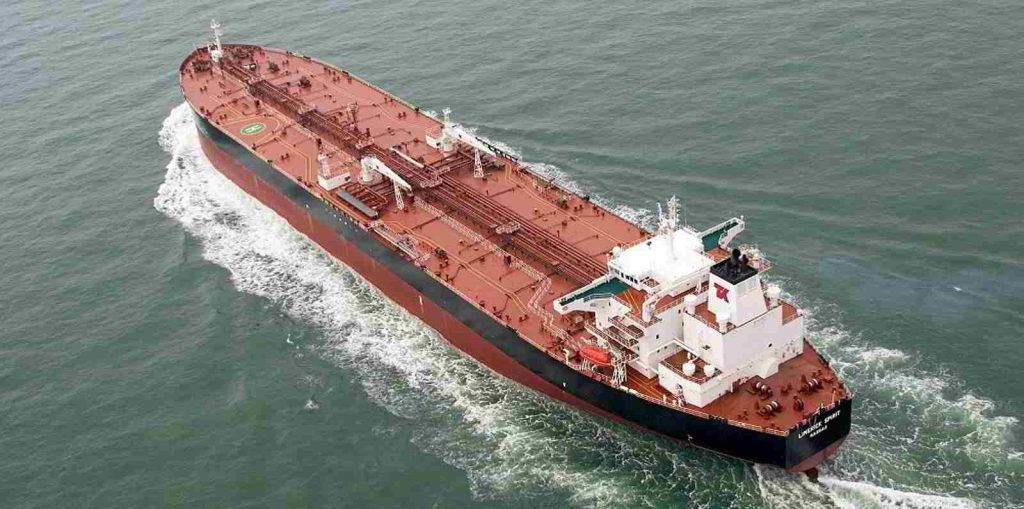
The shipping business is guided by a complex system of regulations that aim to promote safety, protect the environment, and ensure operational efficiency. Of the numerous types of vessels, LR2 tankers are of key importance for the global carriage of oil and refined products. Knowledge of the regulations governing LR2 tankers is vital for shipowners, operators, and stakeholders in the industry. This blog is a comprehensive overview of LR2 tanker regulations and their impact on the industry.
What Are LR2 Tankers?
LR2 tankers, or Long Range 2 tankers, are mid-sized ships built to transport significant volumes of oil and refined products. They are generally characterized by a deadweight tonnage (DWT) between 80,000 and 159,999 tons. They are used extensively for long-distance transport, linking oil-producing areas with refineries and markets across the globe.
LR2 tankers are an integral component of the world’s energy supply chain, but their operations are regulated by strict laws to prevent risks from oil spills, emissions, and shipping accidents.
Major Regulations Controlling LR2 Tankers
1. International Maritime Organization (IMO) Standards
The International Maritime Organization (IMO) is the major international organization that formulates maritime regulations. LR2 tankers are required to adhere to several IMO conventions, such as:
- MARPOL (International Convention on the Prevention of Pollution from Ships): MARPOL prescribes prevention of ship pollution, such as oil spills, sewage, waste, and air pollution. Annex I of MARPOL deals specifically with oil pollution and mandates that LR2 tankers be double-hulled, have oil discharge monitoring systems, and oil-water separators.
- SOLAS (International Convention for the Safety of Life at Sea): SOLAS deals with ship and crew safety. SOLAS prescribes construction, outfitting, and operational safety requirements, including protection against fire, life-saving equipment, and means of navigation.
- Ballast Water Management Convention: This aims to avert the transportation of invasive aquatic pests in ballast water. Ballast water treatment systems must be fitted and ballast discharge rules must be followed in LR2 tankers.
2. Environmental Regulations
Environmental protection is of the utmost importance for the maritime sector. LR2 tankers need to adhere to the regulations to minimize their environmental impact:
- Emissions Control: The sulfur cap rule of the IMO restricts sulfur content in maritime fuels to 0.50% worldwide. Within Emission Control Areas, the limit is tighter at 0.10%. LR2 tankers either need to employ compliant fuels or equip themselves with exhaust gas cleaning systems (scrubbers) to comply.
- Carbon Intensity Reduction: IMO has launched the Carbon Intensity Indicator (CII) and Energy Efficiency Existing Ship Index (EEXI) to minimize the emission of greenhouse gases. The LR2 tankers have to enhance their energy efficiency and carbon intensity annually, which has to be reported by them.
- Prevention of Oil Spill: LR2 tankers need oil spill response schemes, emergency tow arrangements, and periodic oil spill drills to be implemented in order to reduce the effects of anticipated spills.
3. Flag State and Port State Control
LR2 tankers are subject to the flag state regulations (the nation where the vessel is registered) and the port states they call at. Flag states impose international conventions and could have some extra requirements. Port state control authorities check foreign vessels to verify adherence to international policies.
4. Classification Society Rules
Classification societies, like Lloyd’s Register, DNV, and ABS, establish technical specifications for ship building and upkeep. LR2 tankers have to comply with these rules to get and retain their class certificates, which are needed for insurance and operational needs.
Recent Developments in LR2 Tanker Regulations
The maritime world is continually advancing, and regulations are revised to deal with emerging issues. Some recent developments that pertain to LR2 tankers are listed below:
1. IMO 2023 Sulfur Cap
The IMO global sulfur cap, introduced in 2020, remains influential. More stringent enforcement actions and monitoring schemes have been rolled out in 2023 to enforce compliance. LR2 tankers are required to keep detailed records of the consumption of fuel oil and sulfur levels.
2. CII and EEXI Requirements
From 2023, LR2 tankers will need to compute their CII and EEXI scores. Poorly rated vessels could be subject to operational limitations or enforced corrective measures. This has encouraged numerous operators to adopt energy-efficient technology and alternative fuels.
3. Digitalization and Reporting
The IMO has implemented electronic reporting systems to facilitate ease of compliance monitoring. LR2 tankers will have to provide electronic records of their fuel consumption, emissions, and ballast water management operations.
Challenges in Complying with LR2 Tanker Regulations
While regulations are essential for safety and environmental protection, they also pose challenges for shipowners and operators:
1. High Compliance Costs
Meeting regulatory requirements often involves significant investments in technology, equipment, and training. For example, installing scrubbers or ballast water treatment systems can cost millions of dollars.
2. Operational Complexity
Compliance with various regulations across jurisdictions can be complicated and time-consuming. LR2 tanker operators need to remain informed about regulatory updates and ensure their ships comply with all the requirements.
3. Effect on Profitability
Tighter regulations can raise operational costs and lower profitability. For example, the transition to low-sulfur fuels has resulted in increased fuel costs for most operators.
Best Practices for LR2 Tanker Operators
To successfully negotiate the regulatory framework, LR2 tanker operators ought to implement the following best practices:
1. Stay Informed
Keep up with the latest updates from the IMO, flag states, and port state control authorities. Take part in industry associations and participate in seminars in order to stay updated on changes in regulations.
2. Invest in Technology
Implement energy-saving technologies and IT solutions to enhance compliance and operating efficiency. For instance, cutting-edge monitoring technologies can be utilized to monitor fuel consumption and emissions in real time.
3. Train Your Crew
Make sure your crew is trained thoroughly on regulatory rules and emergency response actions. Frequent drills and simulation exercises can get them ready for probable mishaps.
4. Engage with Stakeholders
Coordinate closely with classification societies, fuel providers, and regulators to comply. Collaborative cooperation can solve issues and create new ways.
The Future of LR2 Tanker Regulations
The maritime industry is moving towards greater sustainability and digitalization. Future regulations are likely to focus on:
- Decarbonization: The IMO aims to reduce greenhouse gas emissions by 50% by 2050. LR2 tankers regulations may need to adopt alternative fuels, such as LNG, hydrogen, or ammonia, to meet these targets.
- Autonomous Shipping: Advances in autonomous shipping technology could lead to new regulations governing the operation of unmanned vessels.
- Circular Economy: Laws can encourage the recycling and reuse of ship parts to minimize waste and environmental burden.
Conclusion
LR2 tanker regulations are central to making maritime operations safe, efficient, and sustainable. Though it may be demanding to comply, it is also an avenue for innovation and development. By being informed, investing in technology, and cooperating with stakeholders, LR2 tanker operators can negotiate the regulatory framework effectively and support a cleaner and safer maritime industry.