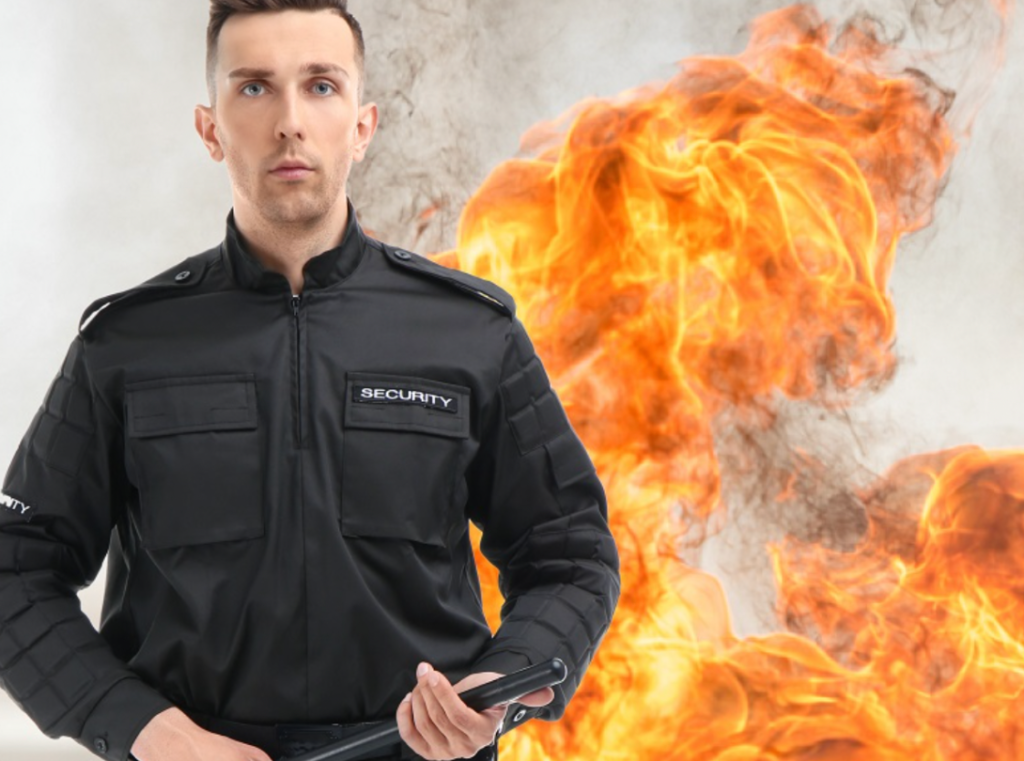
Emergencies unfold in the blink of an eye, turning a minor spark into a raging threat before anyone can catch their breath. In those tense moments, the presence of trained eyes and steady hands can shift the outcome from tragedy to relief. Fire watch for emergencies becomes that quiet guardian, stepping in when alarms falter or hazards brew unseen. Rooted in standards from the National Fire Protection Association (NFPA) and the Occupational Safety and Health Administration (OSHA), this approach emphasizes vigilance during system outages or high-risk tasks. Whether in a bustling warehouse or a sprawling construction yard, understanding these practices helps owners and managers prioritize what matters most: lives and livelihoods. Let’s walk through the layers of this essential safeguard, grounded in real-world needs.
Importance of Rapid Fire Watch Response in Emergencies
When a fire alarm system goes silent or sprinklers sit idle, the clock starts ticking louder. NFPA 101, the Life Safety Code, mandates notification to the local authority having jurisdiction—typically the fire marshal—once an outage exceeds four hours in a 24-hour window. For water-based systems like sprinklers, that threshold stretches to 10 hours under NFPA 25. These timelines aren’t arbitrary; they stem from patterns in fire data, where delays in detection allow flames to spread unchecked.
Rapid response through fire watch isn’t just about compliance; it’s about buying precious minutes. The U.S. Fire Administration tracks how early intervention curbs escalation, noting that structure fires in commercial spaces alone caused over $2 billion in losses last year. In high-occupancy buildings, like hospitals or event venues, a swift patrol can mean guiding vulnerable groups to safety before panic sets in. Guards trained in these protocols roam floors and hidden corners, spotting heat buildup or stray embers that sensors might miss.
Consider the ripple effects of hesitation. A delayed alert in a multi-story office could trap dozens on upper levels, straining evacuation routes. Yet, with designated watchers in place, teams coordinate seamlessly—radios crackle with updates, doors stay propped for egress, and extinguishers stand ready. This layered readiness aligns with OSHA’s emphasis on proactive measures in 29 CFR 1910.252, where hot work like welding demands on-site oversight. Local fire marshals often enforce these with site-specific tweaks, ensuring urban high-rises or rural facilities alike benefit from tailored vigilance. In essence, rapid fire watch bridges the gap between vulnerability and control, turning potential chaos into measured action.
How Fire Watch Guards Reduce Emergency Response Time
Fire watch guards operate as the first line of quiet efficiency, their routines designed to shave seconds off what could become hours of crisis. Trained under NFPA guidelines, they patrol at set intervals—every 30 to 60 minutes in high-risk zones—scanning for smoke wisps, unusual warmth, or cluttered exits that block paths. This isn’t random wandering; it’s a deliberate sweep, checklist in hand, verifying that hoses uncoil smoothly and signage glows bright.
One key edge comes from their familiarity with the space. Guards map layouts beforehand, knowing where basements hide fuel stores or attics trap heat. When a glitch hits—like a power surge silencing detectors—they activate manual pulls or sound horns without pause, alerting occupants and dispatch in one fluid motion. OSHA’s shipyard rules in 29 CFR 1915.504 highlight this: watchers must stand ready for 30 minutes post-hot work, equipped to douse incipient blazes with extinguishers rated for the job.
Technology amplifies their reach. Portable radios link them to central teams, while apps log patrols in real time, flagging anomalies for instant review. In a recent warehouse drill, such integration cut alert-to-evacuation from seven minutes to under three, per simulated logs. Guards also enforce no-go zones around hazards, like shielding welding arcs with flame-retardant barriers. Their sole focus—no side duties—keeps attention sharp, preventing the overload that slows general staff.
For multi-site operations, scalability shines. A single guard suits a compact lab; teams cover sprawling plants. This setup ensures that even in sprawling facilities, response funnels tight, feeding precise details to arriving crews: “Smoke in sector three, no visible flames.” By embedding these habits, fire watch guards don’t just watch—they accelerate, turning a facility’s weakest hour into its strongest defense.
Training Essentials for Guard Efficiency
Certifications like F-01 fire guard credentials equip personnel with hands-on skills, from PASS extinguisher technique to crowd guidance. Drills reinforce calm under pressure, simulating outages to hone split-second calls.
Integration with Site Protocols
Guards sync with existing plans, briefing crews on roles and fallback signals. This harmony minimizes confusion, ensuring every voice in the chain pulls toward swift resolution.
Real-Life Examples of Fire Watch Preventing Escalation
Stories from the field paint a vivid picture of fire watch in action, where everyday vigilance halts what could have been headlines. In a Los Angeles manufacturing plant last winter, a routine sprinkler test left the system offline overnight. A deployed guard, patrolling per NFPA 25, caught a smoldering electrical panel in the loading bay at 2 a.m.—a fault from overloaded circuits. With extinguisher in hand, he knocked it down in seconds, then radioed the fire department with exact coordinates. What started as a potential blaze engulfing pallets of fabrics ended with minimal scorch marks and no downtime.
Across the country, a New York high-rise under renovation faced hot work hazards during elevator upgrades. Sparks from grinding flew into insulated walls, but the assigned watcher—stationed per OSHA 1910.252—spotted the glow through a seam 15 minutes post-task. His quick dousing with a CO2 unit, followed by a 60-minute recheck as NFPA 51B requires, contained it to a fist-sized char. Crews resumed work the next shift, avoiding weeks of delays and six-figure repairs.
Even in natural threats, like California’s 2024 wildfire season, fire watch teams guarded evacuated neighborhoods. One unit in the Hollywood Hills detected re-ignited embers near a vacant home’s siding, alerting crews before wind whipped it into a spot fire. Their logs later aided investigators, pinpointing dry brush as the culprit and informing community clearings. These moments underscore a pattern: in over 4,600 annual hot work incidents tracked by NFPA, dedicated oversight prevents 80 percent from advancing. Guards don’t chase glory; they spot the subtle shift from safe to spark, steering emergencies back to stability.
Lessons from Construction Site Saves
In Texas oil fields, a welding crew’s oversight nearly ignited a fuel drum. The watcher’s intervention—clearing debris and monitoring for 30 minutes—averted a vapor flash, saving the rig and its crew.
Insights from Commercial Building Alerts
A Chicago hotel’s alarm outage during peak season drew extra patrols. One guard’s early catch of a kitchen grease buildup stopped a flash fire, keeping 200 guests asleep undisturbed.
Benefits of Having Dedicated Fire Watch Teams for Emergencies
Dedicated teams bring a depth of assurance that scattered efforts can’t match, weaving safety into the core of operations. Foremost, they slash response lags; with round-the-clock coverage, alerts hit emergency lines faster than in ad-hoc setups, aligning with OSHA’s mandate for trained sentinels in 29 CFR 1915.508. This speed translates to lives preserved—studies show early containment halves injury rates in commercial fires.
Property owners gain fiscal breathing room too. Insurers favor sites with logged patrols, often easing premiums by documenting diligence during outages. A Midwest factory avoided a $500,000 claim denial last year when guard records proved proactive sweeps under NFPA protocols. Legal shields follow: in liability suits, evidence of assigned watchers demonstrates due care, deflecting negligence claims that could drain reserves.
Teams foster a ripple of preparedness. Staff absorb habits from joint drills, spotting risks themselves over time. In high-stakes sectors like healthcare, where patient mobility varies, dedicated guards tailor evacuations—wheeling beds, signaling lifts—ensuring no one lags. For event spaces, their presence calms crowds, turning drills into smooth flows. Scalability suits all scales: solo for small labs, squads for arenas. Ultimately, these units don’t just guard against fire; they guard continuity, letting focus stay on growth while risks recede into the background.
Cost Savings Through Prevention
Beyond fines dodged—up to $14,000 per OSHA violation—teams curb downtime, with one prevented incident equaling months of lost productivity.
Enhanced Team Confidence
Regular briefings build trust; workers know help stands ready, reducing stress and boosting morale in tense environments.
Conclusion: Embracing Emergency Fire Watch Services
Fire watch for emergency response stands as a thoughtful commitment to those who count on your space each day. From NFPA’s structured patrols to OSHA’s hot work mandates, the framework equips teams to act with clarity when seconds define safety. Real accounts remind us: a watchful presence often turns whispers of danger into footnotes, not front pages.
For facilities facing outages or risks, exploring emergency fire watch services offers that steady layer of protection. A quick assessment can clarify needs, ensuring your setup aligns with these proven practices. In the quiet before any storm, this choice echoes strongest—safeguarding not just structures, but the stories within them.