Hey there, fellow trader or business owner dipping your toes into the world of international deals. Have you ever felt that rush of excitement when sealing a cross-border agreement, only to hit a snag because the shipping terms weren’t crystal clear? I remember my first big export deal back in my early days running a small manufacturing firm. We agreed on “ex works,” thinking it was straightforward, but boy, did we learn the hard way about hidden costs and responsibilities. That experience turned me into a bit of an ex works evangelist, and today, I’m here to share everything I’ve picked up over the years. This guide is your go-to resource for understanding ex works and using it to make your global trade smarter and smoother. Let’s break it down step by step, so you can avoid those pitfalls and focus on growing your business.
What Exactly Is Ex Works and Why Should You Care?
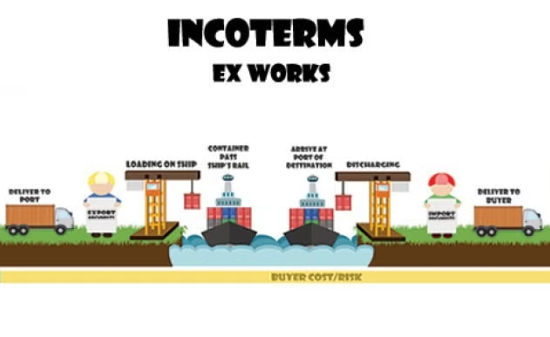
You’re a seller in Texas, and you’ve got a buyer in Tokyo eager for your custom machinery. Ex works, often abbreviated as EXW, is one of those Incoterms that defines where your responsibility ends and theirs begins. In simple terms, ex works means the seller makes the goods available at their own premises, factory, warehouse, you name it, and the buyer handles everything from there. Loading, transport, customs, insurance? All on the buyer.
I once chatted with a colleague who ignored this detail and ended up footing a massive shipping bill because they assumed ex works covered more. It’s a common mix-up, especially for newcomers to global trade. According to the International Chamber of Commerce (ICC), which sets these rules, ex works shifts the maximum risk to the buyer right from the start. That can be a game-changer if you’re selling and want to minimize your involvement post-production.
But why care? In a world where supply chains stretch across continents, knowing ex works helps you negotiate better deals. It keeps costs predictable for sellers and gives buyers control over logistics. If you’re tired of unexpected fees eating into your profits, wrapping your head around ex works could be the key to smarter decisions.
Basics of Ex Works in Action
Let’s get practical. Under ex works, the seller’s job is done once the goods are ready for pickup. No need to load them onto a truck or worry about export clearance, that’s the buyer’s territory. Think of it like handing over keys to a car in your driveway; the buyer drives it away and deals with any roadblocks.
From my own ventures, I’ve seen how this setup empowers small businesses. Say you’re a artisan coffee roaster in Seattle exporting to Europe. With ex works, you roast, pack, and wait. The buyer arranges the ocean freight, saving you from navigating complex shipping regs. It’s liberating, but it demands clear communication to prevent misunderstandings.
Pros of Choosing Ex Works for Your Trade Strategy
Ex works isn’t just a term, it’s a strategic tool that can tilt the scales in your favor. For sellers, the biggest win is reduced liability. You don’t have to fret over transit damages or delays; once the buyer collects the goods, you’re off the hook. This was a lifesaver for me during a shipment to Australia where storms delayed the vessel. Since we used ex works, the buyer absorbed those hiccups, and our relationship stayed strong.
Buyers love ex works too, believe it or not. It lets you pick your preferred carriers and routes, potentially slashing costs. If you’re a retailer importing electronics from China, ex works gives you the reins to optimize for speed or savings. Plus, in volatile markets, controlling the supply chain from the get-go means fewer surprises.
Another perk? Simplicity in pricing. Sellers can quote just the product cost without inflating it for logistics. This transparency builds trust, which is gold in global trade. I’ve built long-term partnerships by being upfront about ex works terms, turning one-off deals into repeat business.
Hidden Advantages in Niche Markets
Diving deeper, ex works shines in industries like heavy machinery or perishables. For bulky items, buyers often have specialized transport anyway, so why burden the seller? In my experience consulting for a farm equipment exporter, switching to ex works cut their overhead by 15% because they no longer handled loading cranes.
For time-sensitive goods, like fresh produce, ex works ensures the buyer can expedite pickup and transit. Imagine exporting avocados from Mexico, delays at the seller’s end could ruin the batch. Ex works puts the pressure on the buyer to move fast, aligning incentives perfectly.
When Ex Works Might Not Be Your Best Bet
No tool is perfect, and ex works has its downsides. The main one? It heaps risk on the buyer. From my early blunder, I know how overwhelming that can feel if you’re not prepared. Buyers must handle export documentation, which varies wildly by country. Miss a form, and your goods sit idle at customs, racking up fees.
Sellers aren’t entirely risk-free either. If the buyer doesn’t pick up on time, you’re stuck with storage costs. I recall a deal where a European buyer delayed collection due to their own cash flow issues, leaving us with inventory tying up space. Communication is key here, always set firm timelines in your contract.
Geographically, ex works works best when buyer and seller are in the same country or region. For distant trades, like from the US to Africa, the buyer’s logistics burden can be daunting. Currency fluctuations and payment terms add layers, ex works doesn’t cover who pays duties or taxes, so clarify that upfront.
Mitigating the Risks with Smart Planning
To counter these, I’ve always advised building buffers. As a buyer, factor in extra time for customs. As a seller, use ex works only with reliable partners. Tools like trade insurance can cushion blows, turning potential headaches into minor bumps.
How Ex Works Stacks Up Against Other Incoterms
Global trade has a buffet of Incoterms, and ex works is the minimalist option. Compare it to FCA (Free Carrier), where the seller loads the goods onto the buyer’s transport. Ex works skips even that, making it lighter for sellers but heavier for buyers.
Versus CPT (Carriage Paid To), where sellers cover transport to a named place, ex works keeps things local. I switched from CPT to ex works for Asian exports and saved thousands, but only after ensuring buyers were equipped for the shift.
DDP (Delivered Duty Paid) is the opposite, seller handles everything to the buyer’s door. Great for hands-off buyers, but costly for sellers. Ex works appeals to cost-conscious folks who prefer control.
Choosing the Right Incoterm for Your Needs
Ask yourself: What’s your risk tolerance? If you’re a buyer with strong logistics, ex works is ideal. Sellers aiming to streamline operations? Same deal. In my consulting gigs, I map out scenarios: For high-value tech, ex works minimizes seller exposure; for commodities, broader terms might suit.
Real-World Examples: Ex Works in Everyday Global Trade
Stories bring this to life. Take a US electronics firm I worked with, selling components to Brazil under ex works. The buyer, a major assembler, managed import duties seamlessly, cutting the seller’s costs by 20%. It fostered a partnership that’s lasted years.
On the flip side, a furniture exporter in Vietnam used ex works with a UK retailer. Delays in pickup led to mold issues in humid storage, lesson learned: Include clauses for timely collection.
Another tale: During the 2020 supply chain chaos, a Canadian pharma company opted for ex works on vaccines to Europe. Buyers handled urgent air freight, ensuring timely delivery amid lockdowns. Ex works proved agile in crisis.
Lessons from My Own Trade Adventures
Personally, after that initial mishap, I negotiated an ex works deal for auto parts to Mexico. We specified pickup windows and shared tracking apps. It went flawlessly, boosting our margins and buyer satisfaction. These experiences taught me that ex works thrives on trust and detail.
Best Practices for Implementing Ex Works Successfully
Ready to try ex works? Start with crystal-clear contracts. Spell out the pickup point, condition of goods, and transfer of title. Use ICC templates as a base, but tailor them.
Communication is your ally. Share photos of packed goods, confirm readiness, and loop in freight forwarders early. In my deals, weekly check-ins prevented 90% of issues.
Buyers: Vet your logistics partners. Sellers: Prepare for inspections at your site. Both: Understand local laws, ex works doesn’t override them.
Tools and Resources to Get Started
Leverage software like TradeGecko for tracking or Freightos for quotes. Join forums like LinkedIn groups on Incoterms for tips. I’ve found ICC webinars invaluable for staying updated.
Legal and Compliance Considerations with Ex Works
Law matters. Ex works aligns with most trade laws, but check specifics. In the EU, VAT rules apply at export; in the US, EAR regulations might kick in for tech.
Disputes? Arbitration clauses help. I always include them, drawing from a near-miss where a buyer claimed damaged goods pre-pickup, evidence from our site inspection saved us.
Sustainability is rising, ex works lets buyers choose eco-friendly transport, aligning with green mandates.
Navigating International Regulations
For restricted goods, ex works requires buyer export licenses. Stay informed via WTO resources to avoid fines.
Ex Works in the Evolving Landscape of Global Trade
Trade is changing fast. With e-commerce booming, ex works suits dropshipping models where buyers manage fulfillment.
AI and blockchain are enhancing tracking, imagine smart contracts enforcing ex works terms automatically. In my view, this makes ex works even more appealing for tech-savvy traders.
Post-pandemic, resilience is key. Ex works offers flexibility, letting parties adapt to disruptions.
Future-Proofing Your Strategy
Embrace digital tools for seamless ex works execution. Predict trends: As nearshoring grows, ex works could dominate regional trades.
Make Ex Works Work for You
There you have it, a deep look at ex works as your ally in smart global trade. From basics to advanced tips, we’ve covered how it can simplify your operations and protect your bottom line. Remember my story? That early stumble led to smarter choices, and I hope this guide does the same for you.
If you’re gearing up for your next deal, give ex works a shot with eyes wide open. Questions? Drop them in the comments, I’m here to chat. Let’s make global trade less intimidating and more rewarding together.