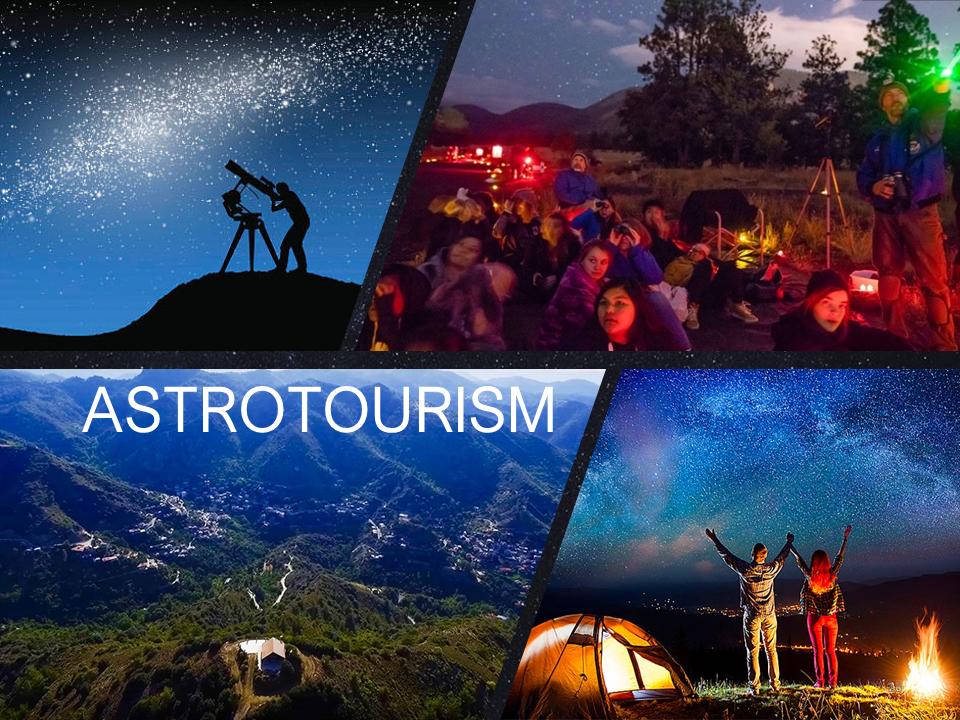
Imagine standing under a velvet sky, where stars glitter like diamonds, unmarred by city lights. This is the allure of astrotourism, a growing travel trend that invites you to reconnect with the cosmos. Astrotourism is more than just stargazing—it’s a journey to remote, dark sky locations to witness celestial wonders, from meteor showers to distant galaxies, while supporting sustainable tourism and rural economies. As urban light pollution obscures our view of the stars, astrotourism offers a chance to rediscover the night sky’s beauty, blending science, culture, and environmental consciousness.
Understanding Astrotourism
What is Astrotourism?
Astrotourism is travel focused on experiencing the night sky in its purest form, far from the glow of urban light pollution. It involves visiting dark sky parks, observatories, or remote areas to stargaze, observe celestial events like eclipses or auroras, or engage in astronomy-related activities. Unlike space tourism, which involves costly trips to outer space, astrotourism is accessible, grounded, and deeply rooted in appreciating Earth’s view of the cosmos. Terms like dark sky tourism or celestial tourism are often used interchangeably, but they all emphasize the same goal: reconnecting with the universe in pristine, light-free environments.
Astrotourism appeals to a wide audience—eco-conscious travelers seeking sustainable experiences, astronomy enthusiasts chasing meteor showers, or families wanting educational adventures. For example, destinations like Chile’s Atacama Desert offer world-class observatories, while Scotland’s Galloway Forest Park hosts stargazing festivals, blending science with community engagement.
Origins and Growth
Humans have gazed at the stars for millennia, using them for navigation, storytelling, and cultural rituals. However, modern light pollution—caused by excessive artificial lighting in urban areas—has dimmed our view, with 80% of the global population unable to see the Milky Way, according to the World Atlas of Artificial Night Sky Brightness. This loss sparked a renewed interest in dark sky preservation, giving rise to astrotourism.
The International Dark-Sky Association (IDA), founded in 1988, has been pivotal in promoting dark sky areas, certifying over 200 dark sky parks and reserves worldwide by 2025. Countries are investing heavily in this sector. For instance, Saudi Arabia’s AlUla and Red Sea Project aim to position the kingdom as a global astrotourism hub, with $35 billion in investments to develop observatories, eco-lodges, and stargazing experiences. Other regions, like New Zealand and Canada, are also prioritizing dark sky tourism to boost rural economies.
Market data underscores this growth. In 2022, the astrotourism sector was valued at approximately $3.5 billion, with projections estimating it will more than double by 2030. This surge is driven by increasing awareness of light pollution and a growing desire for meaningful, nature-based travel experiences.
Benefits of Astrotourism
Economic Benefits
Astrotourism is a powerful driver of economic growth, particularly for rural and underserved communities. Dark Sky Park certifications can increase local tourism by 30-40%, as seen in places like Utah’s Bryce Canyon, where visitor numbers spiked after its 2019 designation. These tourists, often eco-conscious and high-spending, boost local economies through spending on lodging, guided tours, and dining.
Job creation is another significant benefit. Astrotourism fosters opportunities in hospitality, guiding, and education, particularly in areas with limited economic prospects. For example, in Saudi Arabia’s AlUla, the $35 billion investment is expected to generate $1 billion in annual revenue and create thousands of jobs, from telescope operators to eco-lodge staff. Small businesses, like stargazing camps in Jordan’s Wadi Rum, also thrive by offering unique, low-impact experiences.
Environmental Impact
Astrotourism promotes environmental stewardship by raising awareness of light pollution, which disrupts ecosystems, wildlife, and human health. Dark sky destinations encourage sustainable practices, such as energy-efficient lighting and minimal infrastructure development. For instance, the IDA’s certification process requires communities to adopt lighting ordinances, reducing energy waste and preserving natural darkness.
Unlike mass tourism, astrotourism has a low environmental footprint. It relies on natural resources—the night sky—rather than heavy infrastructure, making it a model for sustainable tourism. In New Zealand’s Aoraki Mackenzie Dark Sky Reserve, local efforts to reduce light pollution have also protected nocturnal species, showcasing how astrotourism aligns with conservation goals.
Socio-Cultural and Educational Benefits
Astrotourism bridges science and culture, enriching both travelers and local communities. Many indigenous cultures, from the Navajo in the U.S. to the Bedouin in the Middle East, have deep astronomical traditions, which astrotourism integrates into visitor experiences. For example, in Australia’s Outback, Aboriginal-guided stargazing tours share Dreamtime stories, preserving cultural heritage while educating visitors.
Educationally, astrotourism fosters informal science learning. Observatories and stargazing events make astronomy accessible to all ages, inspiring curiosity and critical thinking. Programs like those at Chile’s ALMA Observatory allow visitors to engage with cutting-edge research, while festivals like the Texas Star Party combine stargazing with workshops, attracting thousands annually.
Astrotourism also supports astronomical research. Visitor fees at observatories often fund scientific projects, and community engagement strengthens advocacy for dark sky preservation. A personal story from a stargazer in Arizona illustrates this: “Visiting the Kitt Peak Observatory opened my eyes to the universe. I joined a night tour, learned about galaxies, and felt inspired to support local efforts to reduce light pollution.”
Implementation and Development of Astrotourism
Identifying Ideal Astrotourism Destinations
The best astrotourism destinations share key traits: low light pollution, clear weather, and rich natural or cultural heritage. The Bortle Scale, which measures sky darkness, is a useful tool—destinations with a rating of 1-3 are ideal. Radio quiet zones, free from electromagnetic interference, are also critical for observatories, as seen in South Africa’s Karoo region, home to the Square Kilometre Array.
Dark sky parks and reserves, certified by the IDA, are prime locations. The certification process evaluates light pollution levels, community commitment, and public access. Notable examples include NamibRand Nature Reserve in Namibia and Jasper National Park in Canada, both offering pristine skies and robust visitor programs.
Infrastructure and Services
Developing astrotourism requires thoughtful infrastructure. Observatories, visitor centers, and eco-friendly lodging are essential, but they must minimize environmental impact. For example, the Red Sea Project in Saudi Arabia integrates solar-powered lodges and mobile observatories to preserve the desert ecosystem. Guided night tours, star parties, and astronomy workshops enhance visitor experiences, while festivals like Australia’s AstroFest draw global crowds.
Marketing is key to reaching niche audiences. Social media campaigns targeting eco-tourists, astronomy enthusiasts, and cultural explorers can highlight unique offerings, like stargazing safaris in Botswana or aurora tours in Iceland. Partnerships with travel influencers and platforms like TripAdvisor amplify visibility.
Challenges and Considerations
Astrotourism’s growth poses challenges. Increased visitor numbers can strain ecosystems, as seen in some national parks where foot traffic damages fragile landscapes. Balancing tourism with dark sky preservation requires strict lighting regulations and visitor caps. Cultural sustainability is also critical—astrotourism must respect local traditions and avoid commodifying indigenous knowledge.
Inclusivity is another concern. Benefits must reach all community levels, not just affluent operators. For example, in Chile’s Elqui Valley, local cooperatives train residents as stargazing guides, ensuring equitable economic gains.
Future Outlook and Trends
As urbanization and light pollution intensify, astrotourism’s appeal will grow. The trend is fueled by a desire for authentic, nature-based experiences, with 60% of travelers seeking sustainable options, per a 2024 Booking.com survey. Emerging destinations like Oman’s Al Hajar Mountains and Mongolia’s Gobi Desert are gaining traction, offering untouched skies and cultural richness.
Space tourism, though distinct, may complement astrotourism. High-profile missions, like those by SpaceX, could inspire more people to explore Earth-based celestial experiences. Global networks, such as the IDA and UNESCO’s Astronomy and World Heritage Initiative, are expanding, fostering international cooperation on dark sky preservation and education.
Technological advancements, like virtual reality stargazing apps and portable telescopes, will make astrotourism more accessible. Meanwhile, policies promoting dark sky zones, as seen in France and Wales, signal strong governmental support.
Conclusion
Astrotourism is a celestial bridge between science, culture, and sustainability. It offers travelers a chance to marvel at the universe while supporting rural economies and preserving dark skies. From the economic boost of Saudi Arabia’s AlUla to the cultural richness of Aboriginal stargazing tours, astrotourism delivers unique, meaningful experiences. For policymakers, it’s an opportunity to invest in sustainable rural development; for travelers, it’s a call to explore starry skies responsibly.
Start your journey by visiting an IDA-certified dark sky park or joining a local stargazing event. Together, we can protect our night skies and unlock the economic and cultural potential of astrotourism—one star at a time.